A Programme You Can Actually Follow
The fastest way to ruin a convention weekend is to bookmark fourteen back-to-back sessions inside an official event app. On paper, a panel ending at 13:00 and another starting at 13:15 looks seamless. In practice, clearing a packed auditorium at the Indiana Convention Center or walking from a side theater at Gaylord National Resort during MAGFest takes twenty minutes before you even locate the next line—which may already be capped at capacity.
A sustainable schedule uses the One-Anchor Rule: choose one non-negotiable anchor per half-day, surround it with flexible floor exploration, and guard two off-floor windows for real food and quiet sitting. Treating secondary items as optional bonuses rather than obligations removes the low-grade panic that makes attendees rush past the conversations they actually came to enjoy.
Separating Live-Only Moments from Streamed Keynotes
Before locking your itinerary, check which main-stage keynotes, developer roundtables, or esports finals are broadcast publicly on Twitch or YouTube. If a major studio talk at Tokyo Game Show or Gamescom Opening Night Live has an official high-bitrate stream with archived VODs, sacrificing three hours in a floor queue just to sit fifty rows back rarely beats watching the replay from your hotel room while resting your feet. Reserve your physical queue time for things that cannot be streamed: tactile demo builds, unrecorded Q&A rooms, tabletop playtests, and community concerts.
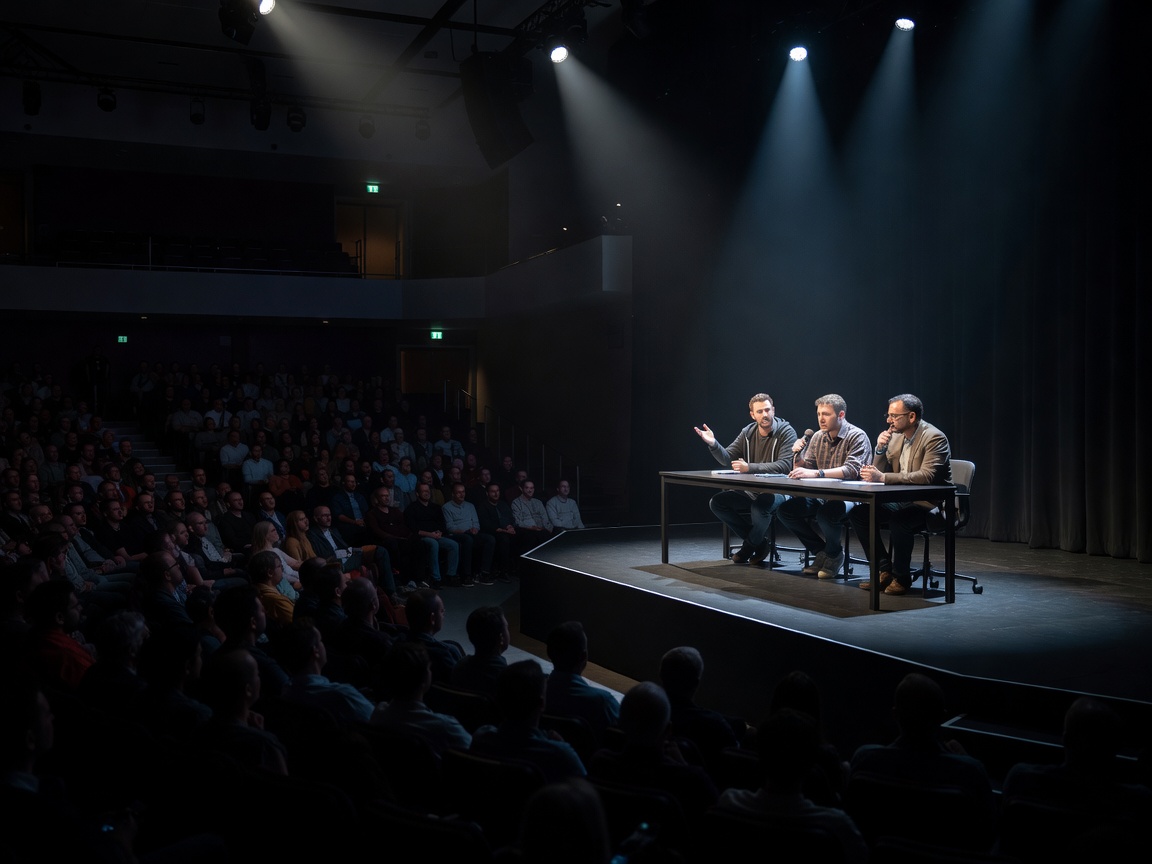
Annotated Sample Itinerary: A Balanced Saturday
The sample timetable below shows how a single day breathes without leaving you isolated from headline moments. Notice that every transition leaves thirty minutes of slack, and the main exhibition hall is visited twice during off-peak waves rather than all at once.
Sample Field Schedule (Doors 10:00 – Late Floor 22:00)
- 09:30 – 10:00 Arrive after initial bag-check rush; fill water bottle and confirm theater room location for afternoon anchor.
- 10:00 – 11:45 Indie & Perimeter Sweep: Play 3–4 short indie builds while headline halls absorb morning stampede.
- 11:45 – 12:45 Early Lunch Off-Floor: Eat outside the primary concourse before 12:30 cafeteria lines peak.
- 12:45 – 14:30 Daylight Anchor Panel: Join line 45 minutes prior for a must-see craft talk or unstreamed roundtable.
- 14:30 – 15:15 Decompression Buffer: Step outside for fresh air or visit the venue AFK/quiet room; charge phone.
- 15:15 – 17:30 Main Hall Window: Visit artist alley, publisher merchandise check, or one mid-length demo queue as families depart.
- 18:00 – 21:30 Evening Community Block: Sit down for open board-game library sessions at Gen Con or freeplay cabinets at MAGFest.
How Panel Line Caps Actually Work
Convention operations teams rarely clear theater rooms completely between every panel unless a marquee headline requires a full room sweep. That means arriving fifteen minutes before a popular talk often puts you behind attendees who sat through the previous session purely to hold seats. Whenever a convention marks a theater as "non-clearing," target thirty-five to forty-five minutes of buffer for high-interest topics, and carry a pocket notebook or offline handheld game so line time feels deliberate rather than wasted.
Planning for Multi-Day Endurance
If you attend a four-day gathering such as DreamHack Winter at Elmia Exhibition Centre or Gen Con in Indianapolis, designate one day—typically Friday or Sunday—as your heavy walking day, and keep the other days seated around workshops, speedrun stages, and tabletop tables. Remember also to check the closing-day schedule carefully: at many European and North American shows, artist alleys and exhibitor booths begin packing up an hour earlier on Sunday than Saturday's printed hours.
Accessibility & Pacing Adjustments for Tight Schedules
If standing in 45-minute panel queues is physically taxing, notify theater operations staff when arriving at the door. Major shows including PAX, UK Games Expo, and TwitchCon maintain seated accessibility queues near main theater entrances so guests with mobility or chronic fatigue needs do not stand in switchback corridors. Always carry light protein snacks in case medical dietary timing conflicts with venue dining lines.
Once your schedule protects your energy, see where the richest non-commercial hours happen in Where Communities Find Each Other.